

1
Decarbonization and Clean Energy
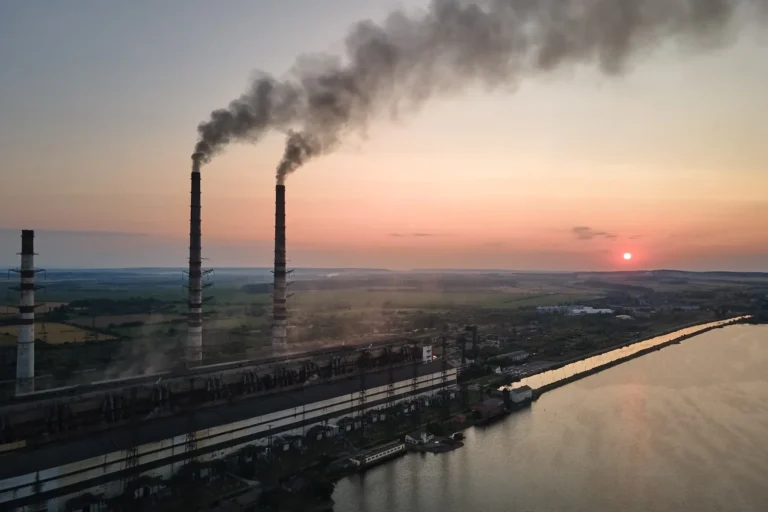
The transition to cleaner and more sustainable energy sources is a global priority. A significant increase in renewable energy generation capacity is expected by 2030, with more than 500 gigawatts added. Furthermore, investment in clean energy has already seen remarkable growth of 40% since 2020, indicating a positive shift towards a more sustainable and responsible energy model.
2
Digitization and Automation
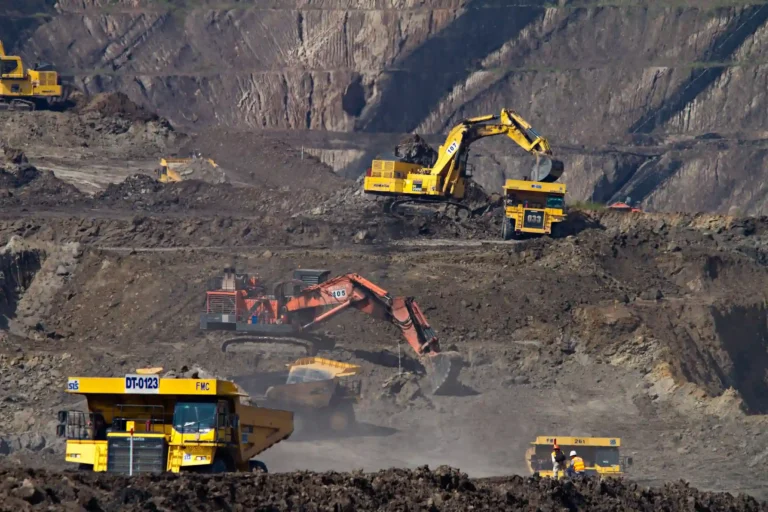
Augmented reality (AR) facilitates the transfer of design information to the field, improving construction feasibility and collaboration between the office and the site. Drones, meanwhile, enable precise, risk-based inspections, reducing costs and waste while increasing construction safety. It is estimated that the use of drones has reduced waste and increased the accuracy of inventory control and safety standards by 55%.
3
Modular or prefabricated construction and electric vehicles
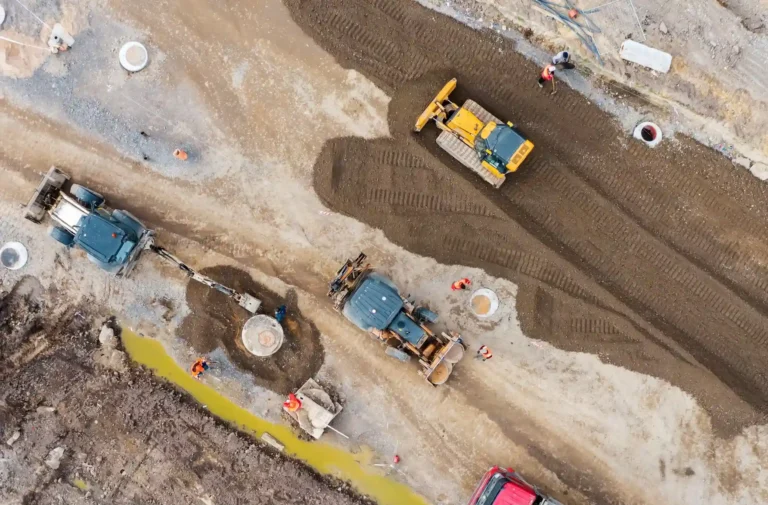
The growing popularity of electric vehicles (EVs) is transforming the transportation and energy sectors. EV sales are expected to increase sevenfold by 2030, reducing demand for fossil fuels and increasing demand for electricity. This presents both challenges and opportunities for the oil sector, which will need to adapt strategically.
4
Artificial intelligence and data
Construction trends combine AI and data to improve efficiency and decision-making. Cloud platforms and IoT enable real-time analytics and reduce carbon footprints. Digital transformation is redefining the industry, with owners leading the innovation.

5
Biomaterials
Construction generates 11% of global greenhouse gas emissions, with embodied carbon accounting for 30%. The building stock is projected to double by 2060. The biomaterials sector, particularly cement, is key to reducing emissions. Innovations such as self-replicating concrete and self-healing biocement are being developed to address this challenge.
6
Renewable energy and self-sufficiency in construction
The implementation of renewable energy systems, such as solar panels and wind turbines, along with the design of energy-self-sufficient buildings, is shaping the future of construction. These approaches not only optimize resource use and reduce carbon emissions, but also enable buildings to efficiently generate and manage their own energy, contributing to sustainability and the development of greener infrastructure.
7
Circular economy and construction
It focuses on recycling materials, reducing waste, and reusing components. By integrating these principles, companies can lower costs through resource recovery and reuse, enhance their image by adopting sustainable practices, and comply with environmental regulations. Furthermore, it fosters innovation and efficiency in material use, contributing to greener and more economical construction.
8
Smart cities
The rise of smart cities is transforming construction by using technologies like the Internet of Things (IoT) to improve urban efficiency. Global spending on these cities was $124 billion in 2020 and is projected to reach $676 billion by 2028. Approximately 60% of building managers in the US are already familiar with IoT. A prime example of this trend is Toyota's project.
9
Robotics and automation
Robotics and automation are increasingly being used in construction for tasks such as bricklaying, 3D printing of structures, and materials handling. These technologies can increase precision and reduce costs, as well as increase efficiency, reduce risks to workers, and allow for the creation of more complex and precise structures.
10
Smart energy technologies
The integration of smart energy management technologies, such as automated control systems and renewable energy technologies, is gaining traction. This includes the use of solar energy systems, building energy management, and storage solutions. All of this improves energy efficiency and reduces operating costs, while also helping companies meet their sustainability and emissions reduction goals.