

1
Alignment with ESG indicators
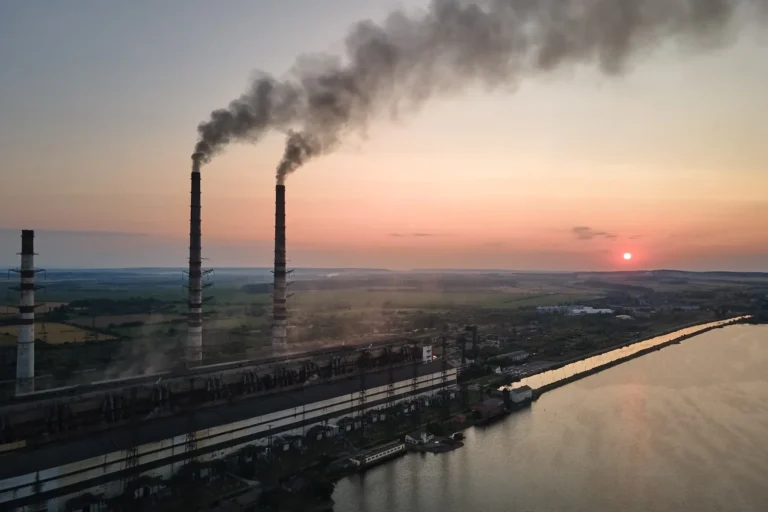
Although companies are strongly focused on climate change and decarbonization, they must consider holistically how they allocate their capital, ensuring that it reflects their ESG (Environmental, Social, and Governance) commitments. Building a strategically sound portfolio of businesses, initiatives, and projects with the potential to generate value and sustainability helps minimize risk and increases long-term shareholder value.
2
Decarbonization
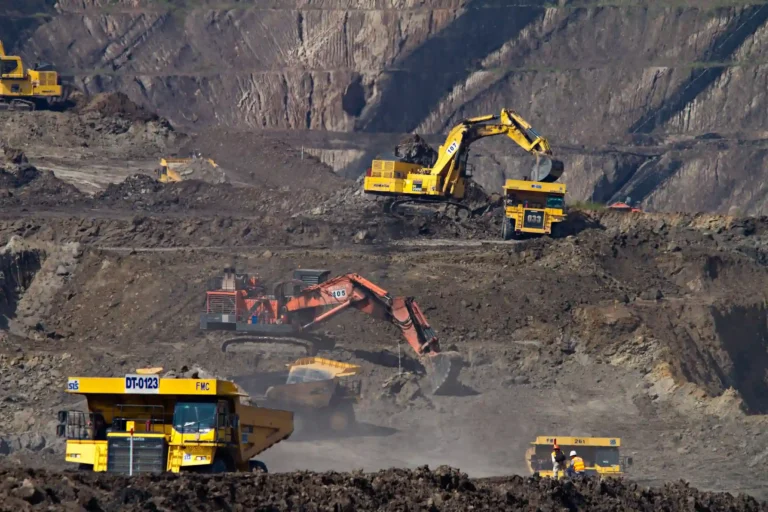
Given the urgency of climate change, the transition to a low-carbon future is inevitable. Mining companies are adopting cleaner technologies, such as the electrification of equipment and the integration of renewable energies. An excellent example is Minera Centinela in Chile, which replaced diesel trucks with electric ones for transporting minerals, achieving a significant reduction in greenhouse gas emissions.
3
A push toward smart mining.
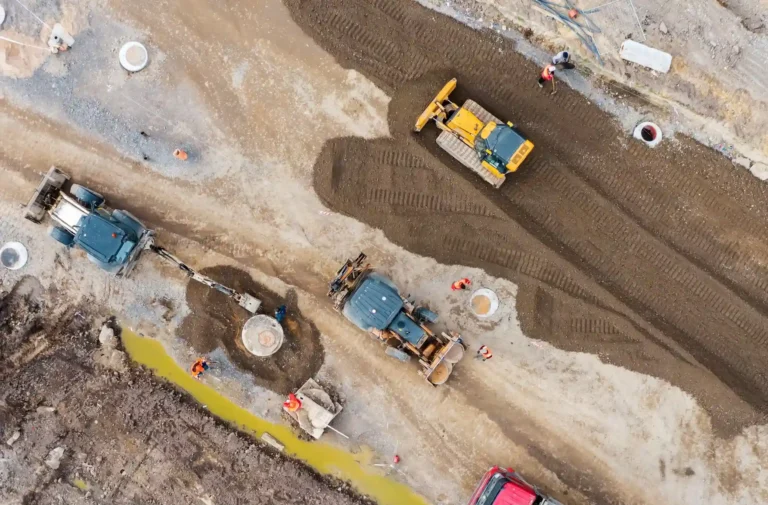
The mining sector is undergoing a significant transformation with the incorporation of innovative technologies, focusing on improving operational efficiency, worker safety, and environmental sustainability. The adoption of technologies such as robots, drones, autonomous vehicles, and electrical equipment is redefining industry standards.
4
Digital transformation and real-time data
Digitization is essential in modern mining, as it provides real-time data for strategic decisions. Artificial intelligence, data analytics, and automation optimize mining processes, improve productivity, and reduce costs. This real-time information helps companies anticipate and proactively respond to operational and environmental challenges.

5
Innovation and sustainability
The mining industry must increase the extraction of critical minerals without harming the environment. This offers an opportunity to explore high-risk regions with untapped potential. The Eurasian Resources Group has developed the NOMAD robot, which performs soil sampling more quickly and safely, with less environmental impact.
6
Mining automation
Digitization is fundamental in modern mining, providing real-time data for strategic decisions. Artificial intelligence, data analysis, and automation optimize processes, improve productivity, and reduce costs. This ability to obtain instant information allows companies to anticipate and proactively address operational and environmental challenges.
7
Data governance and artificial intelligence
Mining faces uncertainties that can affect projects, such as waste rock dilution. Good data governance is essential to ensure accurate information. Artificial intelligence and data analysis systems, such as MWD and machine learning, reduce uncertainty, optimize drilling, and improve monitoring of operations.
8
Equipment automation
The adoption of Autonomous Haulage Systems (AHS) and robotic technologies has improved safety and efficiency in mining operations.
A clear example is the company AMSA, which implements autonomous drills and trucks at the Pelambres mine, in addition to robotization projects in the maintenance of the SAG mill. These technologies reduce risks, increase productivity, and optimize operational processes.
9
Electric mobility
The adoption of autonomous electric vehicles in underground mining has advanced rapidly, mainly to reduce pollution caused by internal combustion equipment, achieving a 60% reduction in emissions and lower noise and vibration levels. Atlas Copco led this trend in 2017 with electric loaders, jumbos, drills, and trucks. Companies such as Caterpillar and Sandvik are also developing similar equipment to reduce pollution and carbon footprints.
10
Mining without water
Water scarcity due to climate change is driving the use of technologies such as dry stack tailings (DST) systems, which recover up to 95% of water and are competitive with desalination. Companies such as FLSmidth are seeking water-free solutions for 2030. In addition, automated irrigation systems and domes are used to control dust and manage water consumption.